Renovating a home is an exciting process, but it can also feel overwhelming when you realize how many systems, structures, and hidden components need attention. Many homeowners focus on aesthetics first—paint colors, flooring, fixtures—only to discover later that unresolved repairs undermine all that hard work. A successful renovation balances visual upgrades with practical repairs that protect comfort, safety, and long-term value.
Your renovation to-do list should prioritize the repairs that keep your home running efficiently behind the scenes. From structural elements to mechanical systems, addressing these areas early prevents costly surprises later. This guide walks through essential repairs you should check off during a renovation, helping you plan wisely and invest where it matters most.
Evaluating the Condition of Your Roof
The roof is one of the most important components of your home, yet it’s often overlooked until there’s a visible problem. During a renovation, this is the ideal time to assess its condition thoroughly. Small issues like cracked shingles or minor leaks can escalate quickly if left unattended.
Many homeowners choose to consult a residential roofing company during renovations to perform inspections and recommend repairs or replacements. Even if the roof isn’t at the end of its lifespan, targeted fixes can prevent water intrusion and structural damage. Addressing roofing concerns early also protects your new interior finishes from unexpected leaks.
Homes with low-slope or modern designs may require specialized attention. Flat surfaces are more prone to pooling water and membrane wear, making flat roof repairs especially important during renovations. These repairs often involve sealing, membrane replacement, or improved drainage to ensure long-term performance.
Electrical Systems and Backup Power Planning
Electrical systems are another critical area to evaluate before cosmetic upgrades begin. Outdated wiring, overloaded panels, or insufficient outlets can limit functionality and pose safety risks. Renovations provide the perfect opportunity to upgrade electrical infrastructure.
In areas prone to storms or outages, homeowners increasingly turn to generator installers to add backup power solutions. A permanently installed generator ensures essential systems—lighting, refrigeration, heating, and medical equipment—continue to operate during power failures. Planning for this during a renovation makes installation more efficient and cost-effective.
Even without a generator, electrical repairs and panel upgrades improve safety and support modern living demands. Smart home features, energy-efficient appliances, and home offices all require reliable electrical capacity. Addressing these systems during renovation ensures that everything from the fridge to advanced security systems runs smoothly.
Addressing Heating and Cooling Reliability
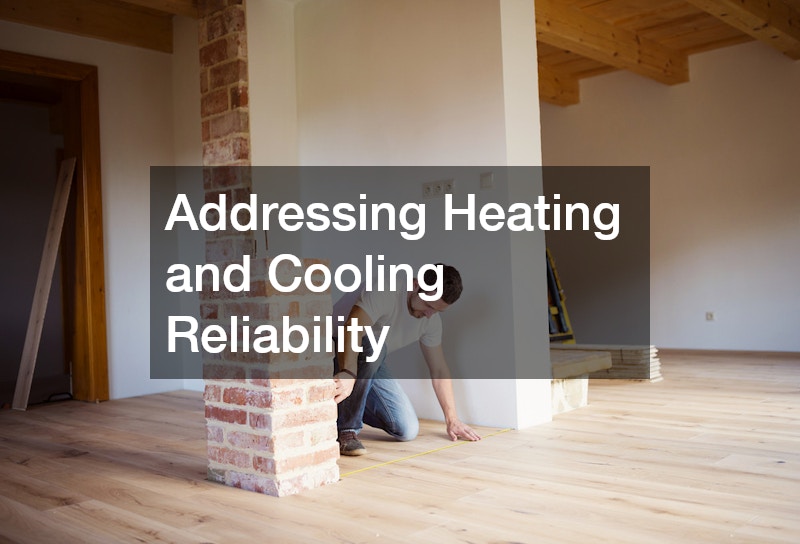
Comfort is central to enjoying your renovated space, and heating and cooling systems play a major role. Renovations often reveal inefficiencies or aging components that should be addressed before walls are closed or finishes installed.
Routine HVAC repairs can dramatically improve energy efficiency and indoor comfort. Issues like leaking ductwork, failing compressors, or outdated thermostats often go unnoticed until a major breakdown occurs. Tackling these problems during renovation reduces disruption later and can lower utility bills.
In colder climates, heating systems deserve special attention. Scheduling furnace repairs ensures your system is safe, efficient, and capable of meeting winter demands. Even minor adjustments or part replacements can extend the life of a furnace and prevent mid-season failures.
Plumbing Systems and Water Supply Checks
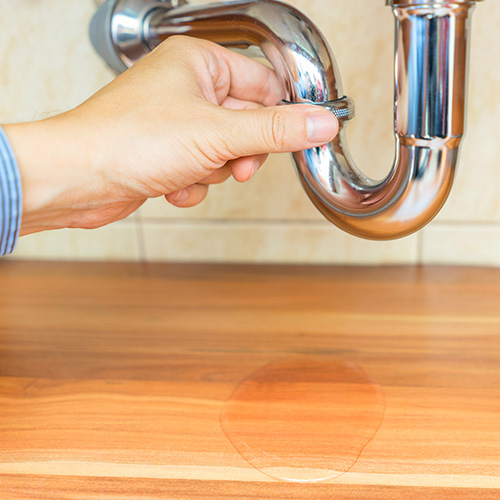
Plumbing issues can be some of the most expensive and disruptive problems to fix after a renovation is complete. That’s why thorough inspections are essential before new drywall, cabinetry, or flooring is installed.
Homes that rely on private water sources should prioritize inspections and well repair services during renovations. Issues like declining water pressure, pump failures, or contamination risks can often be addressed more easily when walls and floors are already exposed. Ensuring a reliable water supply supports every other upgrade in your home.
Even in homes with municipal water, aging pipes, faulty shutoff valves, or outdated fixtures should be repaired or replaced. Preventative plumbing work protects your renovation investment from leaks and water damage. Being proactive in this area saves time and money while preserving newly updated spaces.
Windows, Doors, and Energy Efficiency Improvements
Windows and doors play a huge role in energy efficiency, comfort, and overall appearance. Old or damaged units allow drafts, moisture intrusion, and heat loss that can undermine other renovation efforts.
Window replacements are among the most impactful upgrades you can make during a renovation. Modern windows improve insulation, reduce noise, and enhance natural light. They also contribute to lower heating and cooling costs, making them a smart long-term investment.
Doors deserve equal attention. Exterior doors should seal properly and provide adequate security. Interior doors may need adjustments or replacements to align with new layouts or finishes. Addressing these elements during renovation ensures consistent performance and appearance throughout the home.
Kitchen and Laundry Appliance Considerations
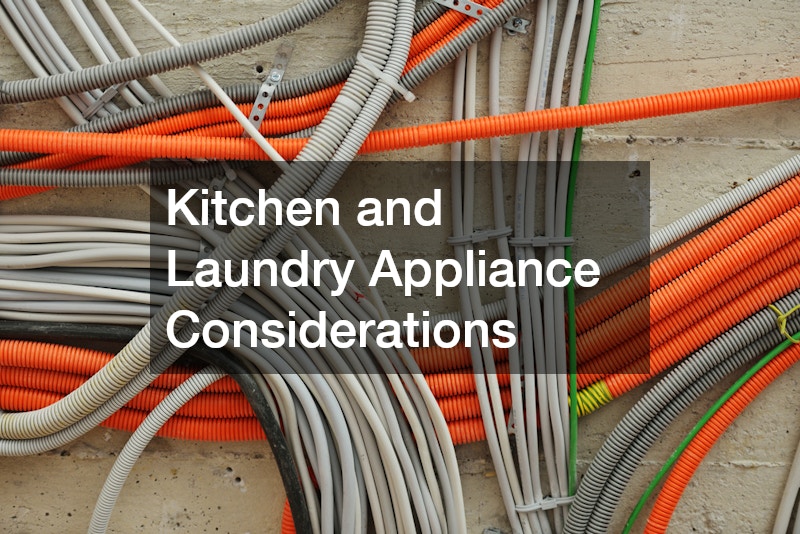
Renovations often focus heavily on kitchens and laundry areas, where appliances are central to daily life. While new appliances are exciting, it’s important not to overlook the condition of existing ones if they’re being retained.
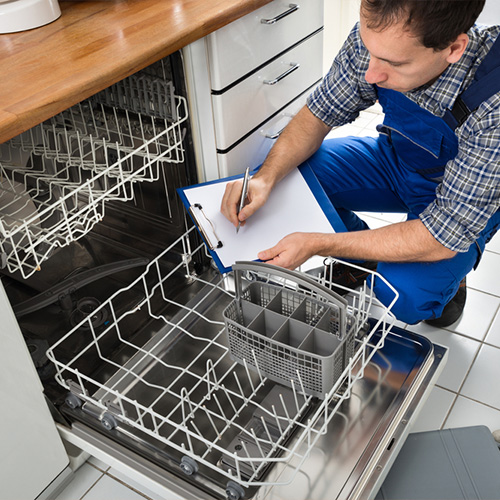
Scheduling appliance repairs during a renovation can extend the life of refrigerators, ovens, dishwashers, and washing machines. Addressing issues like faulty wiring, worn seals, or inefficient motors prevents future breakdowns that could disrupt newly renovated spaces.
Even when appliances are replaced, proper installation and system compatibility checks are essential. Electrical, gas, and water connections should be updated as needed to support modern appliances safely and efficiently. Ensuring that each appliance functions smoothly prevents unexpected failures and protects your investment.
Garage and Exterior Access Repairs
Garages and exterior access points often receive less attention than interior spaces, but they’re vital to security and functionality. A renovation is an ideal time to inspect these areas for wear and damage.
For homes with garages or storage buildings, roll up door repairs are often necessary to restore smooth operation and safety. Damaged tracks, worn springs, or malfunctioning openers can pose safety hazards and reduce convenience. Repairing or upgrading these systems ensures reliable access and improves curb appeal.
Exterior entry points should also be weather-tight and secure. Addressing these repairs protects vehicles, tools, and storage areas from the elements while enhancing overall property value. This focus on functionality ensures that these spaces remain practical and appealing.
Roof Drainage and Water Management
Roof repairs don’t end with shingles or membranes. Proper drainage is just as important to prevent water damage. During renovations, it’s essential to inspect gutters, downspouts, and internal drainage systems.
Older homes often require box gutter replacement to address corrosion, leaks, or inadequate capacity. Box gutters are built into the roof structure, making repairs more complex but also more critical. Failing gutters can lead to water infiltration behind walls and under roofing materials.
Improving drainage systems during a renovation protects foundations, siding, and landscaping. It also reduces maintenance needs and helps preserve newly updated exterior finishes. This attention to detail ensures that your home’s exterior remains durable and visually appealing.
Interior Comfort and Air Quality Improvements
Beyond temperature control, air quality is a key factor in home comfort. Renovations often disturb dust, allergens, and old materials, making it important to address ventilation and filtration.
Targeted HVAC repairs can improve airflow and filtration, reducing allergens and improving overall indoor air quality. Duct cleaning, filter upgrades, and system balancing are often easier to perform during renovation when access is improved.
For homes with older heating systems, furnace repairs may also include upgrades to burners, blowers, or controls that enhance efficiency and safety. These improvements contribute to a healthier living environment long after the renovation is complete.
Structural and Roofing System Coordination
Large-scale renovations often involve changes to layout, ceiling heights, or extensions. These changes can impact roofing structures and load distribution, making coordination between trades essential.
A trusted residential roofing company can work alongside contractors to ensure structural modifications don’t compromise roof integrity. This coordination is especially important when adding skylights, dormers, or new sections to the home.
For properties with modern or commercial-style designs, flat roof repairs may need to be integrated into the renovation plan. Ensuring proper sealing and drainage supports both structural changes and long-term durability.
Backup Systems and Emergency Preparedness
Renovations are also an opportunity to think beyond daily comfort and consider emergency preparedness. Storms, power outages, and equipment failures can disrupt modern life quickly.
Installing backup systems with the help of generator installers adds resilience to your home. These systems can be designed to support essential functions or entire households, depending on your needs and budget. Planning this during renovation simplifies wiring and placement.
Emergency preparedness also includes water systems, heating, and access points. Ensuring these systems are reliable reduces stress during unexpected events and adds peace of mind. This comprehensive approach builds security into your home renovation.
Mechanical Systems and Preventative Maintenance
Renovations shouldn’t just focus on fixing what’s broken—they should also prevent future issues. Mechanical systems benefit greatly from preventative maintenance and minor upgrades.
Regular HVAC repairs performed during renovation help identify components nearing the end of their lifespan. Replacing these parts proactively avoids future disruptions and protects new finishes from damage caused by system failures.
Similarly, scheduling well repair services or inspections ensures pumps, tanks, and lines are operating efficiently. Addressing small issues early prevents major failures that could require invasive repairs later. This foresight ensures long-lasting functionality in your home’s crucial systems.
Balancing Aesthetics With Functionality

It’s easy to prioritize visual upgrades during a renovation, but functionality should always guide decision-making. Repairs that aren’t visible often provide the greatest long-term benefits.
Window replacements not only enhance appearance but also improve insulation and comfort. Appliance repairs may not be glamorous, but they ensure daily routines run smoothly. Roof and drainage repairs protect every other investment you make.
By addressing these functional elements during renovation, you create a home that looks beautiful and performs reliably. This balance is key to both enjoying and maintaining your living space in the long term.
Coordinating Timelines and Budgets
One of the biggest challenges in renovation is managing timelines and budgets. Repairs discovered mid-project can cause delays and unexpected expenses if not planned for.
Creating a comprehensive repair checklist early helps prioritize tasks and allocate resources effectively. Consulting professionals for inspections—whether for roofing, HVAC, or plumbing—provides clarity before work begins.
Including contingencies for items like furnace repairs, roll up door repairs, or box gutter replacement ensures you’re prepared for surprises without derailing the project. Being well-prepared enables smoother progress and timely completion.
Long-Term Value and Peace of Mind
Ultimately, renovations are about improving quality of life and protecting your investment. Repairs completed during renovation contribute directly to long-term value, safety, and comfort.
Addressing issues with help from experienced professionals—whether generator installers, roofing specialists, or mechanical technicians—ensures work is done correctly the first time. These repairs reduce maintenance needs and enhance resale appeal.
A well-maintained home is easier to live in and more attractive to future buyers. By checking off essential repairs during renovation, you’re building a foundation for years of enjoyment and reliability.
Final Thoughts
Renovations are complex, but they also offer a rare opportunity to address multiple systems at once. By focusing on necessary repairs alongside design upgrades, you maximize the return on your investment.
From roofing and drainage to heating, cooling, and water systems, each repair plays a role in the overall performance of your home. Thoughtful planning, professional guidance, and proactive maintenance ensure that your renovation delivers lasting results.
When your renovation to-do list includes both visible improvements and critical behind-the-scenes repairs, you can enjoy your updated home with confidence—knowing it’s not only beautiful, but built to last.