Why Every Homeowner Should Care About Energy Efficiency
Rising utility costs and increasing environmental concerns have made home efficiency more important than ever. Many homeowners don’t realize how much energy is wasted every day through small inefficiencies—tiny air leaks, outdated systems, or poor insulation can quietly drive up monthly bills. Over time, these issues compound, leading to higher expenses and reduced comfort inside the home.
The good news is that identifying and correcting these inefficiencies doesn’t require a complete home overhaul. With the right approach, homeowners can pinpoint problem areas, make targeted improvements, and see meaningful results. This guide walks through practical, actionable ways to improve your home’s efficiency, reduce costs, and create a more comfortable living environment.
Understanding What a Professional Assessment Reveals
A professional evaluation of your home’s efficiency can uncover issues you might never notice on your own, and it often becomes the foundation for every improvement that follows. These assessments are much more detailed than a simple walkthrough. Technicians use specialized tools to measure airflow, detect temperature differences, and identify areas where conditioned air is escaping. Through comprehensive energy audits, homeowners gain a clear picture of how their home consumes and loses energy, which helps prioritize the most impactful fixes.
One of the most valuable components of this process is a thorough HVAC inspection. This step ensures your heating and cooling systems are operating as efficiently as possible and not contributing to unnecessary energy waste. During the inspection, professionals evaluate ductwork, check for leaks, test system performance, and identify worn components that could reduce efficiency. Even small issues—like a clogged filter or minor duct leak—can significantly impact energy usage over time.
To maximize the value of a professional assessment, homeowners should take a few simple steps beforehand. Make a list of comfort issues, such as rooms that are too hot or too cold, and note any unexplained increases in utility bills. Clearing access to attics, basements, and mechanical areas also allows technicians to complete a more thorough evaluation. With the right preparation and a detailed assessment, you’ll receive targeted recommendations that are easier to implement and far more effective.
How to Identify and Fix the Biggest Sources of Waste

Many homes lose a surprising amount of energy through a handful of common problem areas, and identifying these issues is the first step toward meaningful savings. Air leaks around windows and doors, insufficient insulation in attics, and poorly sealed ductwork are some of the biggest contributors to energy loss. Addressing these areas doesn’t always require major renovations—simple fixes like weatherstripping, caulking, and adding insulation can make a noticeable difference in both comfort and cost.
Consistent HVAC maintenance is another critical factor in reducing energy waste. When systems are neglected, they must work harder to maintain indoor temperatures, which leads to increased energy consumption and higher utility bills. Routine tasks such as replacing air filters, cleaning vents, and checking for obstructions can significantly improve efficiency. These small efforts help your system operate more smoothly and reduce unnecessary strain on its components.
It’s also important to evaluate the condition of your ac systems regularly. If your cooling system struggles to maintain a consistent temperature, cycles on and off frequently, or runs longer than usual, it may be operating inefficiently. In many cases, these issues can be resolved with minor repairs or adjustments. Homeowners should start with quick, low-cost improvements and then move on to more advanced upgrades if needed. By prioritizing high-impact changes first, you can achieve better results without overspending.
Lowering Monthly Bills with Smart System Upgrades
Upgrading and maintaining your home’s heating and cooling systems is one of the most effective ways to reduce monthly utility costs. Even small improvements in system performance can translate into noticeable savings over time. One of the easiest ways to improve efficiency is by scheduling a regular ac tune up, which ensures your cooling system is operating at peak performance. During a tune-up, technicians clean components, check refrigerant levels, and make adjustments that help the system run more efficiently.
In colder months, keeping up with heating service is equally important. A properly maintained heating system distributes warmth more evenly and uses less energy to do so. Ignoring minor issues—such as unusual noises or reduced airflow—can lead to larger problems that are more expensive to fix. Addressing these concerns early helps extend the life of your system and keeps energy costs under control.
When considering upgrades, homeowners should weigh the benefits of repairing versus replacing older equipment. While repairs can be cost-effective in the short term, outdated systems often lack the efficiency of modern models. Investing in newer, energy-efficient units can provide long-term savings and improved performance. Creating a seasonal maintenance schedule ensures that your systems are always ready for peak demand, helping you avoid unexpected breakdowns and unnecessary expenses.
Choosing the Right Professional for the Job
Selecting the right professional to work on your home’s systems is a decision that can significantly impact both efficiency and long-term costs. Not all service providers offer the same level of expertise, so it’s important to choose carefully. A qualified HVAC contractor should have proper certifications, relevant experience, and a track record of delivering reliable results. Taking the time to research and compare options can help you avoid costly mistakes.
In some situations, hiring a specialized air conditioner contractor may be the better choice, particularly for complex cooling issues or system upgrades. These professionals focus specifically on cooling technologies and can provide more targeted recommendations. Understanding the difference between general service providers and specialists ensures that you’re getting the right expertise for your needs.
Before making a final decision, homeowners should ask detailed questions about pricing, timelines, and the scope of work. Requesting multiple quotes allows you to compare services and identify any inconsistencies. Be cautious of unusually low estimates, as they may indicate substandard work or hidden fees. Checking online reviews and asking for references can also provide valuable insight into a contractor’s reliability. By choosing a skilled and trustworthy professional, you can ensure that your home improvements are done correctly the first time.
Improving Indoor Comfort While Reducing Energy Use
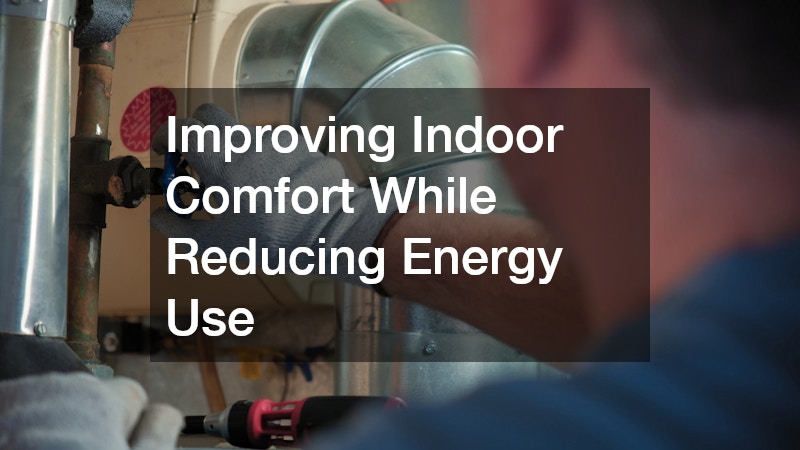
Energy efficiency goes hand in hand with indoor comfort, and improving one often enhances the other. A well-balanced home maintains consistent temperatures across all rooms, eliminating uncomfortable hot and cold spots. Achieving this level of comfort requires attention to airflow, insulation, and system performance, all of which contribute to a more pleasant living environment.
Partnering with a reputable AC company can make a significant difference in achieving these results. Experienced professionals can evaluate your system, identify inefficiencies, and recommend adjustments that improve both comfort and performance. Regular HVAC maintenance also plays a crucial role by ensuring that your system operates smoothly and maintains proper air circulation.
Homeowners can take several simple steps to improve comfort without increasing energy usage. Adjusting thermostat settings, sealing ducts, and using ceiling fans to circulate air are all effective strategies. Additionally, managing humidity levels can make a home feel cooler in the summer and warmer in the winter without overworking your system. These small changes, combined with professional support, create a more comfortable living space while keeping energy consumption in check.
Boosting Property Value with Smart Improvements
Energy-efficient upgrades are becoming increasingly important in the real estate market, and homeowners who invest in these improvements often see a strong return. Buyers are more likely to choose homes that promise lower utility costs and modern, efficient systems. Making strategic upgrades not only improves your living experience but also enhances your home’s resale value.
Conducting energy audits provides documented proof of your home’s efficiency, which can be a major selling point. These reports offer transparency and help potential buyers understand the benefits of the improvements you’ve made. Working with a knowledgeable HVAC contractor ensures that upgrades are completed to a high standard and align with current efficiency guidelines.
When planning improvements, focus on upgrades that deliver the most value. Enhancements such as improved insulation, upgraded systems, and sealed ductwork tend to offer the best return. These changes make your home more appealing to buyers while also reducing ongoing operating costs. By investing in efficiency now, you can enjoy immediate benefits and position your home as a more attractive option when it’s time to sell.
Preventing Costly Repairs Through Early Detection
Proactive maintenance is one of the most effective ways to avoid expensive repairs and unexpected system failures. Regular system checks allow homeowners to identify and address issues before they escalate into major problems. A scheduled HVAC inspection provides a detailed evaluation of your system’s condition, helping to catch wear and tear early.
Paying attention to warning signs is equally important. Unusual noises, inconsistent temperatures, and rising energy bills can all indicate that your system may require Heating service. Addressing these issues promptly prevents further damage and reduces the likelihood of costly emergency repairs. Ignoring small problems often leads to larger, more expensive fixes down the line.
Establishing a routine inspection schedule helps ensure that your system remains in good condition year-round. In addition to professional checkups, homeowners can perform simple maintenance tasks such as replacing filters and keeping vents clear. Keeping records of service visits and system performance can also help identify patterns and anticipate potential issues. By staying proactive, you can extend the lifespan of your equipment and maintain a more efficient home.
Building a Long-Term Plan for System Care
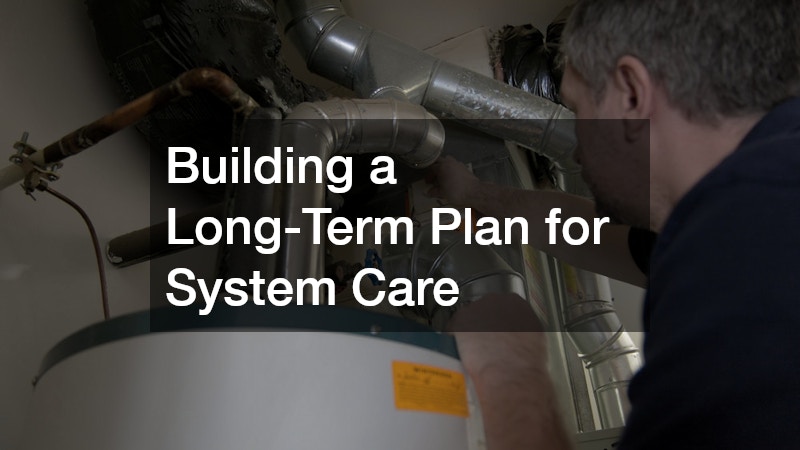
Maintaining a high level of efficiency requires a consistent, long-term approach rather than one-time fixes. Developing a structured maintenance plan helps ensure that your systems continue to perform effectively year after year. By organizing tasks into monthly, seasonal, and annual schedules, homeowners can stay on top of maintenance without feeling overwhelmed.
Start by creating a plan for servicing your AC systems regularly. This includes cleaning components, replacing filters, and checking for any signs of wear or inefficiency. Incorporating routine AC tune up appointments into your schedule ensures that your system is prepared for periods of heavy use, such as the summer months.
Using digital tools or reminder apps can make it easier to track maintenance tasks and avoid missed appointments. Many homeowners also benefit from working with a trusted service provider who offers ongoing maintenance plans. These plans often include scheduled checkups, priority service, and discounted repairs. By committing to a long-term strategy, you can maintain consistent performance, reduce the risk of breakdowns, and ensure your home remains energy-efficient over time.
Making Your Home More Environmentally Responsible
Improving your home’s efficiency is not only beneficial for your finances but also for the environment. Every unit of energy saved reduces demand on power plants, many of which still rely on fossil fuels. By cutting down on wasted energy, homeowners play a direct role in lowering greenhouse gas emissions and conserving natural resources. Even small efficiency improvements can have a measurable environmental impact when maintained over time.
One of the most effective ways to start is through energy audits, which provide a clear roadmap for reducing unnecessary consumption. These assessments highlight where your home is losing energy and offer targeted solutions that minimize waste. From sealing air leaks to upgrading insulation, each recommendation contributes to a more sustainable household. The key is to prioritize improvements that deliver both immediate savings and long-term environmental benefits.
Working with an experienced air conditioner contractor can further enhance your efforts by ensuring your cooling system operates as efficiently as possible. Modern, energy-efficient units use significantly less power while delivering better performance, making them a smart upgrade for eco-conscious homeowners. Additionally, professionals can recommend smart thermostats and zoning systems that optimize energy use without sacrificing comfort.
Simple lifestyle adjustments also make a difference. Turning off unused appliances, using energy-efficient lighting, and maintaining consistent thermostat settings all contribute to reduced consumption. Over time, these habits—combined with strategic upgrades—create a home that is not only cost-effective but also environmentally responsible.
Taking the First Step Toward a More Efficient Home

Improving your home’s energy efficiency is one of the most practical and rewarding investments you can make. By identifying problem areas, maintaining your systems, and making smart upgrades, you can significantly reduce energy waste and lower your monthly expenses.
The key is to stay proactive and consistent with your efforts. Small improvements made over time—like sealing leaks, upgrading insulation, and keeping your systems well-maintained—can add up to substantial long-term savings. Beyond the financial benefits, you’ll also enjoy a more comfortable, healthier living environment year-round. Taking action today not only improves your current quality of life but also helps future-proof your home against rising energy costs and evolving efficiency standards.