Making improvements to your property can be a practical way to maintain its condition, improve everyday comfort, and create spaces that better suit your household. Some projects address visible concerns, such as worn exterior surfaces or outdated finishes, while others focus on systems that operate behind the scenes. Taking care of both types of improvements can help a home remain functional and comfortable over time.
Home improvement doesn’t always mean completing a major renovation all at once. Smaller updates can address specific needs, while larger projects can combine several improvements into a more comprehensive plan. The right projects depend on the property’s current condition, the age of its systems, how each space is used, and the priorities of the people living there. For example, a homeowner might focus on improving storage in the kitchen, updating an aging roof, or addressing a plumbing concern before moving on to cosmetic changes.
It can also be helpful to consider how different parts of a home work together. Improvements to one area can sometimes affect another, particularly when projects involve electrical connections, water lines, ventilation, or structural components. Planning ahead can make it easier to identify which work should be completed first and which improvements can be combined.
Whether you’re maintaining an older property or updating a newer one, professional services can help address specialized home systems and construction needs. From exterior maintenance to interior upgrades, a thoughtful improvement plan can make a property more functional while supporting its long-term condition.
Protect Your Home With a Reliable Roof

The roof plays an important role in protecting the property from rain, wind, sunlight, and changing weather conditions. Over time, roofing materials can develop worn areas, damaged flashing, missing shingles, leaks, or other concerns that can affect the rest of the home. Addressing these issues promptly can help prevent moisture from reaching insulation, ceilings, walls, and other parts of the structure.
Homeowners should pay attention to signs such as water stains on ceilings, damaged or missing roofing materials, visible deterioration, or recurring moisture problems. The age and condition of the existing roof can also help determine whether repairs or a larger replacement project should be considered.
Working with qualified roofing contractors can provide access to the specialized knowledge and equipment needed to inspect and address roofing concerns. A professional can evaluate the roof’s current condition and explain available repair or replacement options based on the property’s needs.
A roofing project can also be an opportunity to consider improvements to ventilation, drainage, and other components that contribute to the roof’s performance. Taking care of these details can help protect the home’s interior and support the durability of the overall roofing system.
Improve Your Storage With Custom Cabinetry
Storage can have a major effect on how efficiently a room functions. Kitchens, bathrooms, laundry rooms, home offices, and other areas can become difficult to organize when existing cabinets don’t provide enough usable space. Updating cabinetry can create storage that better matches the dimensions of the room and the way the household uses it.
Custom cabinets can be designed around specific storage needs, available wall space, appliances, and other features within a room. Instead of relying on standard dimensions, homeowners can consider options such as specialized drawers, pullout storage, built-in organizers, or cabinets designed to accommodate less commonly shaped areas.
Cabinet improvements can also change the overall appearance of an interior. Door styles, finishes, hardware, and layouts can be selected to complement other features in the room. This makes cabinetry both a practical and visual component of a renovation.
Before starting a cabinet project, consider what isn’t working with the current setup. If frequently used items are difficult to reach, countertops become cluttered, or available storage is poorly organized, a redesigned layout may address those concerns. Planning around actual household routines can make the finished space more useful.
Refresh Your Kitchen With Updated Surfaces
Kitchen surfaces experience frequent use, so they can eventually show scratches, stains, chips, or other signs of wear. Replacing an outdated surface can refresh the appearance of the room while providing a durable work area for food preparation and everyday activities.
Countertop installation can involve several considerations, including material, color, edge profile, dimensions, maintenance requirements, and compatibility with existing cabinets. Homeowners should also account for sinks, faucets, appliances, backsplashes, and other features that interact with the countertop.
The best material depends on how the kitchen is used and what type of maintenance the household prefers. Some surfaces require more routine care than others, while certain materials can provide greater resistance to particular types of wear. Discussing these factors before selecting a material can help homeowners choose an option that fits their needs.
A countertop project can also be coordinated with cabinet updates or other kitchen improvements. Completing related work together may create a more cohesive appearance and reduce the need to modify the space multiple times. Even when only the surface is being replaced, careful measurements and preparation are important for achieving a proper fit.
Address Plumbing Needs With Professional Help

Plumbing systems support many everyday activities, from washing dishes and clothes to bathing and using sinks and toilets. Because these systems involve connected water and drainage components, a problem in one area can sometimes affect other parts of the property.
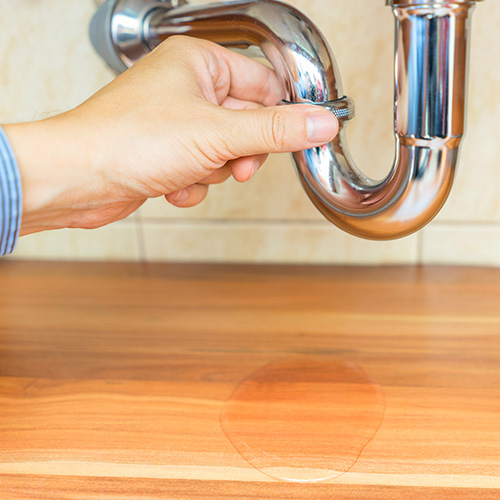
A plumbing contractor can evaluate issues involving pipes, fixtures, water lines, drainage, and other components. Professional assistance can be particularly important when a problem involves a hidden leak, persistent water pressure issue, damaged piping, or another concern that isn’t easily identified from the surface.
Homeowners should not ignore recurring plumbing problems simply because they appear minor. Dripping fixtures, slow drains, unusual sounds, damp areas, or changes in water pressure can indicate that something needs attention.
Professional plumbing work can also be part of a larger renovation. Kitchen and bathroom updates may require changes to existing connections, while additions or remodeling projects can involve relocating fixtures or installing new water lines. Planning these changes before construction begins can help coordinate the plumbing work with other improvements.
Keep Essential Water Systems Working Properly
Routine attention to a home’s water systems can help identify problems before they interfere with everyday activities. Faucets, toilets, pipes, fixtures, and other components can experience wear as they are used over time. Regular maintenance can help homeowners recognize changes in performance and address concerns before they become larger projects.
Professional plumbing services can address a wide range of needs, including fixture repairs, pipe issues, water pressure concerns, leaks, and installation work. The appropriate service depends on the condition of the system and the source of the problem.
Homeowners can also benefit from knowing where their main water shutoff is located. If a significant leak occurs, shutting off the water supply can limit the amount of water entering the home while professional assistance is arranged.
When planning a renovation, consider the condition of existing plumbing before installing new fixtures or finishes. Older components may need attention before new features are added. Addressing underlying plumbing concerns during a renovation can help prevent recently updated areas from being disrupted by future repairs.
Clear Drains Before Problems Get Worse
Slow or clogged drains can interfere with normal household routines. A sink that takes longer to empty, standing water in a shower, or recurring backups can indicate that buildup is restricting the drainage system.
Drain cleaning can address accumulated debris and buildup that interferes with normal water flow. Depending on the location and severity of the blockage, professional equipment may be needed to identify and clear the obstruction.
Recurring clogs deserve particular attention. If the same drain repeatedly develops problems even after basic maintenance, there could be a deeper issue within the drainage system. A professional evaluation can help identify whether the problem is isolated to one fixture or connected to a larger plumbing concern.
Keeping drains clear can also support the overall function of the home’s plumbing system. Homeowners should avoid putting inappropriate materials down drains and should address persistent drainage problems rather than repeatedly treating the symptoms.
Maintain Comfortable Indoor Temperatures

A comfortable home depends in part on an HVAC system that can effectively heat and cool the property’s living spaces. When equipment becomes older or begins operating inefficiently, homeowners may notice uneven temperatures, unusual sounds, reduced airflow, or increased energy use.
HVAC services can include maintenance, repairs, inspections, and equipment-related work. Regular professional attention can help identify worn components and other concerns that could affect system performance.
Air filters also play a role in maintaining appropriate airflow. The right replacement schedule depends on the type of filter, household conditions, and equipment requirements. Homeowners should follow the manufacturer’s recommendations and address persistent airflow or temperature problems with a qualified professional.
When an HVAC system reaches the end of its useful life, replacement can become an important home improvement consideration. A professional can evaluate the property’s heating and cooling requirements and discuss equipment options suited to the home’s size and configuration.
Improve Your Home’s Hot Water Supply
Hot water is essential for bathing, washing dishes, doing laundry, and completing many other household tasks. When a home’s hot water system begins to struggle, signs may include inconsistent temperatures, unusual noises, leaks, or insufficient hot water for normal household use.
A water heater should be evaluated when these problems occur. Depending on the age and condition of the equipment, a repair may address the issue, while older or severely damaged equipment may require replacement.
When considering a replacement, homeowners should evaluate factors such as household hot water demand, available space, energy considerations, and the type of system that best fits the property. Professional installation can also help make sure the equipment is properly connected and configured.
Water heating equipment can be an important part of a larger renovation, particularly when updating a laundry room, bathroom, or utility area. Planning the equipment’s location and connections ahead of time can help the project proceed more efficiently.
Refresh Exterior Areas With Thorough Cleaning
Exterior surfaces are exposed to dirt, pollen, weather, vehicle residue, and other materials throughout the year. Over time, this buildup can make driveways, walkways, patios, decks, siding, and other surfaces appear worn or neglected.
Pressure cleaning companies can provide professional cleaning for appropriate exterior surfaces. The correct approach depends on the material being cleaned because excessive pressure or an inappropriate cleaning method can damage certain surfaces.
Before scheduling exterior cleaning, consider which areas need the most attention. Removing accumulated grime from walkways and outdoor entertaining areas can refresh their appearance, while cleaning other exterior surfaces can contribute to a more maintained overall property.
Pressure cleaning can also complement other outdoor improvements. Homeowners planning to repaint, stain, repair, or update an exterior surface may choose to clean the area as part of the preparation process. Proper surface preparation can help subsequent work produce a cleaner finished appearance.
Keep Your Home Powered With Safe Electrical Work

Electrical systems support nearly every modern household, powering lighting, appliances, heating and cooling equipment, electronics, and other essential features. As homes change, electrical needs can change as well.
Electrical contractors can address installation, repairs, upgrades, and other specialized electrical work. Professional assistance is especially important when a project involves wiring, electrical panels, outlets, circuits, or other components that require specialized knowledge.
Homeowners may notice signs that an electrical system needs attention, such as frequently tripped breakers, flickering lights, warm outlets, unusual odors, or outlets that no longer function properly. These issues shouldn’t be ignored because electrical problems can create serious safety concerns.
Electrical work can also be incorporated into remodeling projects. Adding lighting, upgrading a kitchen, finishing a basement, or creating a new living area may require changes to the existing electrical system. Discussing these requirements early can help coordinate electrical work with construction, cabinetry, flooring, and other improvements.
Home improvement projects can range from highly visible upgrades to essential work involving the systems that keep a property operating properly. A reliable roof can protect the structure from the elements, while updated cabinetry and kitchen surfaces can improve the function and appearance of interior spaces. Plumbing, heating and cooling, hot water, drainage, exterior cleaning, and electrical systems also contribute to the comfort and usability of a home.
Not every property needs the same improvements, and homeowners don’t necessarily need to complete every project at once. A practical approach is to start by identifying areas that show signs of damage, declining performance, or limited functionality. Safety-related concerns and issues that could lead to additional property damage generally deserve prompt attention, while cosmetic improvements can often be planned around household priorities and available resources.
It can also help to coordinate related projects when possible. For example, a kitchen renovation may involve cabinetry, countertops, plumbing, and electrical work. Addressing those needs as part of a coordinated plan can reduce the likelihood of having to disrupt recently completed finishes later.
Professional contractors can provide specialized assistance for projects involving roofing, plumbing, HVAC, electrical systems, and other areas of the property. With thoughtful planning and appropriate professional support, homeowners can make improvements that address current needs while creating a more functional, comfortable, and well-maintained home for years to come.