Key Takeaways:
- Mid-range bathroom remodels return about 80 percent of their cost at resale, while upscale remodels only return around 36 percent — spending smart beats spending big.
- Homeowners are putting more money into bathrooms than ever, with the typical primary bathroom renovation budget climbing to $15,000 in 2025, up from $13,000 the year before.
- A vanity replacement is one of the highest-impact, lowest-effort ways to transform a bathroom’s look without a full gut renovation.
- Measuring carefully — width, plumbing rough-in, door swing — before buying a vanity prevents the most common and costly installation mistakes.
- Choosing a neutral, timeless vanity finish (rather than a trendy color) protects the room’s appeal to future buyers, while bolder style choices are better saved for easy-to-swap accessories.
- Budgeting an extra 10 to 15 percent for surprises like outdated plumbing or hidden water damage helps avoid stress once the project is underway.
- Careful plumbing work and a proper level check during installation are essential — rushing either one is a leading cause of leaks and uneven, unfinished-looking results.
If you are trying to figure out where to put your renovation dollars this year, the bathroom vanity is one of the smartest places to start. It is the piece of furniture your eyes land on the second you walk into the room, it does double duty as storage and countertop space, and it happens to be one of the easiest upgrades to swap out without tearing your whole bathroom down to the studs. Whether you are flipping a house, prepping to sell, or just tired of staring at a builder-grade cabinet from 2005, a new vanity can completely change how the room feels.
This guide walks through why vanities matter so much right now, what the 2026 numbers say about bathroom spending and resale value, and how to actually plan and install one without losing your mind (or your weekend).
Why the Bathroom Vanity Is Having a Moment
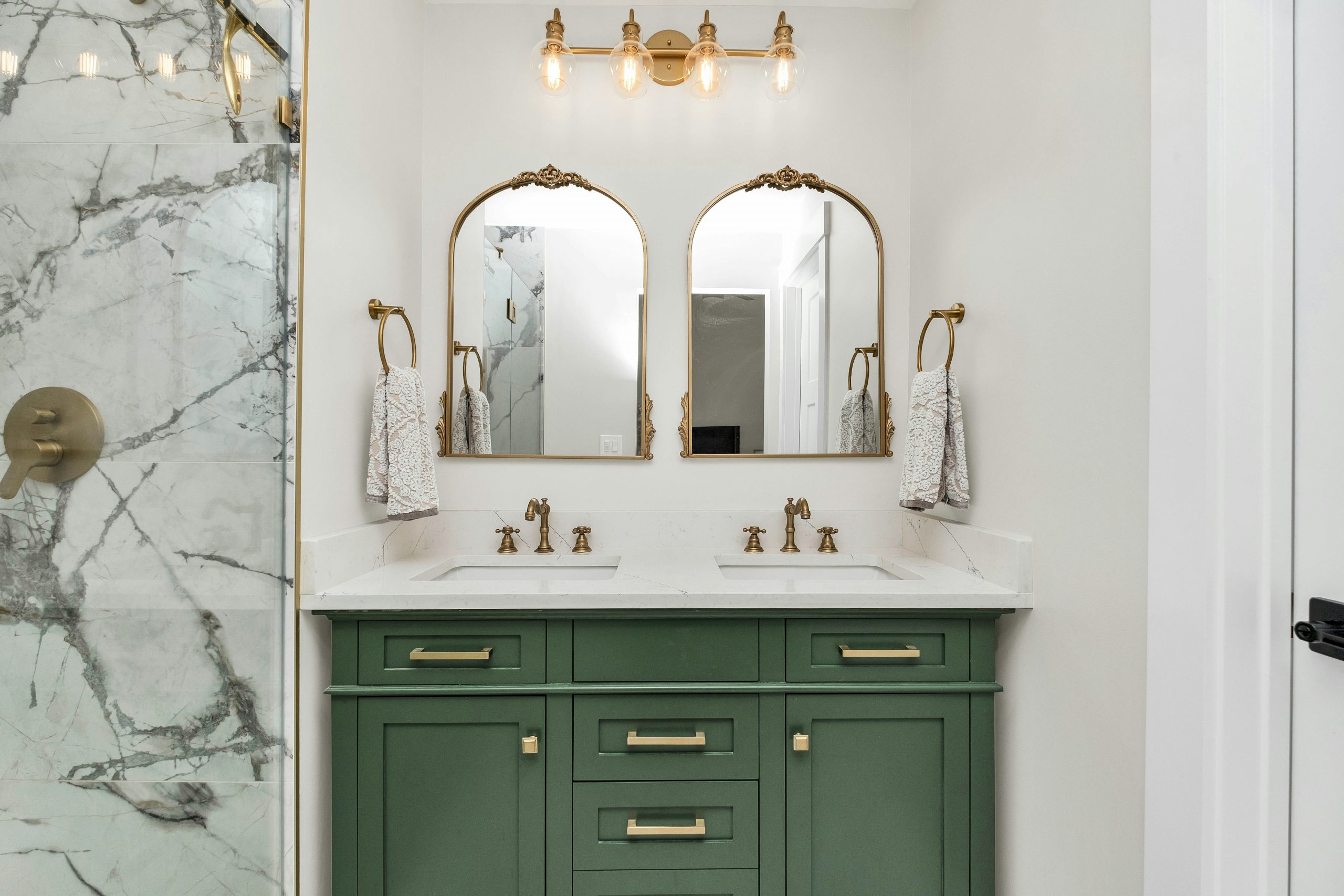
Bathrooms have quietly become one of the most closely tracked rooms in the entire home improvement industry, and the data backing that up is hard to ignore. According to This Old House’s 2026 bathroom remodel cost guide and homeowner survey, a mid-range bathroom remodel returns about 80 percent of its cost in resale value, well ahead of upscale remodels, which come in closer to 36 percent. That is a meaningful gap, and it tells you something important: buyers and appraisers are not necessarily rewarding marble and gold fixtures. They are rewarding clean, well-executed, mid-range work, and a new vanity fits that description almost perfectly.
At the same time, homeowners are putting real money behind bathroom projects. According to Terrafez’s roundup of 2026 bathroom remodeling statistics, which draws on Houzz’s U.S. Houzz and Home Study, the typical amount spent on a primary bathroom renovation climbed to fifteen thousand dollars in 2025, up from thirteen thousand the year before, and half of all homeowners surveyed said they were planning to renovate a bathroom sometime in 2026. Put those two data points together and the takeaway is simple: more people are spending more money on bathrooms, and the projects that recoup the most value tend to be the mid-range, high-impact ones. A vanity replacement checks every box on that list. It is visible, it is functional, and it does not require the kind of budget that pushes a project into upscale territory where returns start to shrink.
What a New Vanity Actually Does for Your Bathroom
It is easy to underestimate how much influence one piece of furniture has over an entire room, but the vanity is doing more work than people give it credit for.
- It anchors the room. Everything else, from the mirror to the lighting to the flooring, tends to get styled around the vanity, not the other way around.
- It solves storage problems. Drawers, cabinets, and shelving inside a vanity replace the flimsy under-sink setups that plague a lot of older bathrooms.
- It hides plumbing. A well-fitted vanity conceals pipes and shutoff valves that otherwise make a bathroom feel unfinished.
- It sets the tone for the whole space. A dated oak cabinet with brass hardware reads very differently than a simple floating vanity with a quartz top, even if nothing else in the room changes.
- It is one of the upgrades that improve home value without requiring a full gut renovation, which matters if you are trying to be strategic about where your budget goes.
Because it touches so many parts of the room at once, a vanity swap tends to deliver a bigger visual impact per dollar than almost any other single bathroom purchase.
Choosing the Right Vanity for Your Space
Before you fall in love with a vanity on Pinterest, it helps to get realistic about the bones of your bathroom. Measure the width of the wall where the vanity will sit, note where the plumbing rough-in currently lives, and check the swing of the door so a cabinet does not end up blocking it.
From there, think about a few practical categories:
- Freestanding vanities look like traditional furniture and work well in bathrooms that want a warm, classic feel.
- Floating (wall-mounted) vanities create the illusion of more floor space and make cleaning easier, which is a big draw in smaller bathrooms.
- Vanity combos come pre-paired with a countertop and sink, which saves money and simplifies the buying process for anyone who is not trying to mix and match finishes.
- Custom or semi-custom vanities cost more but let you dial in the exact dimensions, drawer configuration, and finish, which matters most in awkward or oddly shaped bathrooms.
Countertop material is worth thinking through too. Quartz has become the go-to choice for a lot of remodelers because it resists staining, does not need to be sealed, and reads as clean and modern to almost any buyer. Marble and other natural stone options look stunning but come with more upkeep, so they tend to make more sense in higher-end primary bathrooms than in a hallway powder room.
Planning Your Budget Before You Start
Vanity prices swing widely depending on size, materials, and whether you go custom or off the shelf. A simple stock vanity with a laminate or cultured marble top might run a few hundred dollars, while a solid wood vanity with a quartz or natural stone counter can climb into the thousands. On top of the vanity itself, budget for:
- A new sink and faucet, if you are not reusing the existing ones
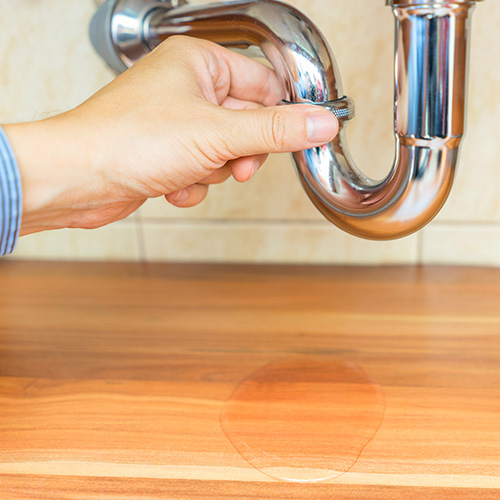
- Supply lines and a P-trap, since older plumbing does not always match up cleanly with a new cabinet
- Backsplash or wall touch-up where the old vanity used to sit
- Labor, if you are hiring a plumber or contractor instead of doing the install yourself
- A small buffer for surprises, because older homes especially tend to hide water damage or outdated plumbing behind the existing cabinet
Setting aside an extra ten to fifteen percent of your budget for the unexpected is a habit almost every experienced renovator recommends, and it saves a lot of stress if you open up the wall and find something you were not expecting.
Step-by-Step: How to Install a Bathroom Vanity
Installing a vanity is a project a lot of confident DIYers can handle over a weekend, especially if you are working with the existing plumbing location. Here is the general flow:
- Turn off the water supply at the shutoff valves under the sink, then disconnect the supply lines and drain trap from the old vanity.
- Remove the old vanity, unscrewing it from the wall studs and carefully detaching the countertop and sink if they are being replaced separately.
- Patch and prep the wall and floor where the old unit sat, fixing any water damage, uneven flooring, or old caulk lines before the new cabinet goes in.
- Dry-fit the new vanity against the wall to confirm it lines up with your plumbing and that the doors and drawers open without hitting anything.
- Secure the vanity to the wall studs, using a level to make sure it is sitting flush and even, since even a slightly crooked vanity is noticeable once the countertop goes on.
- Install the countertop and sink, sealing the seam between the counter and the backsplash with a clean bead of caulk.
- Reconnect the plumbing, attaching the supply lines and drain trap, then run the water and check carefully for leaks before considering the job finished.
- Add the faucet, hardware, and mirror, which is where a lot of the visual personality of the space really comes together.
If your plumbing needs to move, or if you are unsure about anything involving the water lines, it is worth bringing in a licensed plumber for that portion of the job. A vanity that looks perfect but leaks under the cabinet defeats the purpose fairly quickly.
Style Choices That Age Well
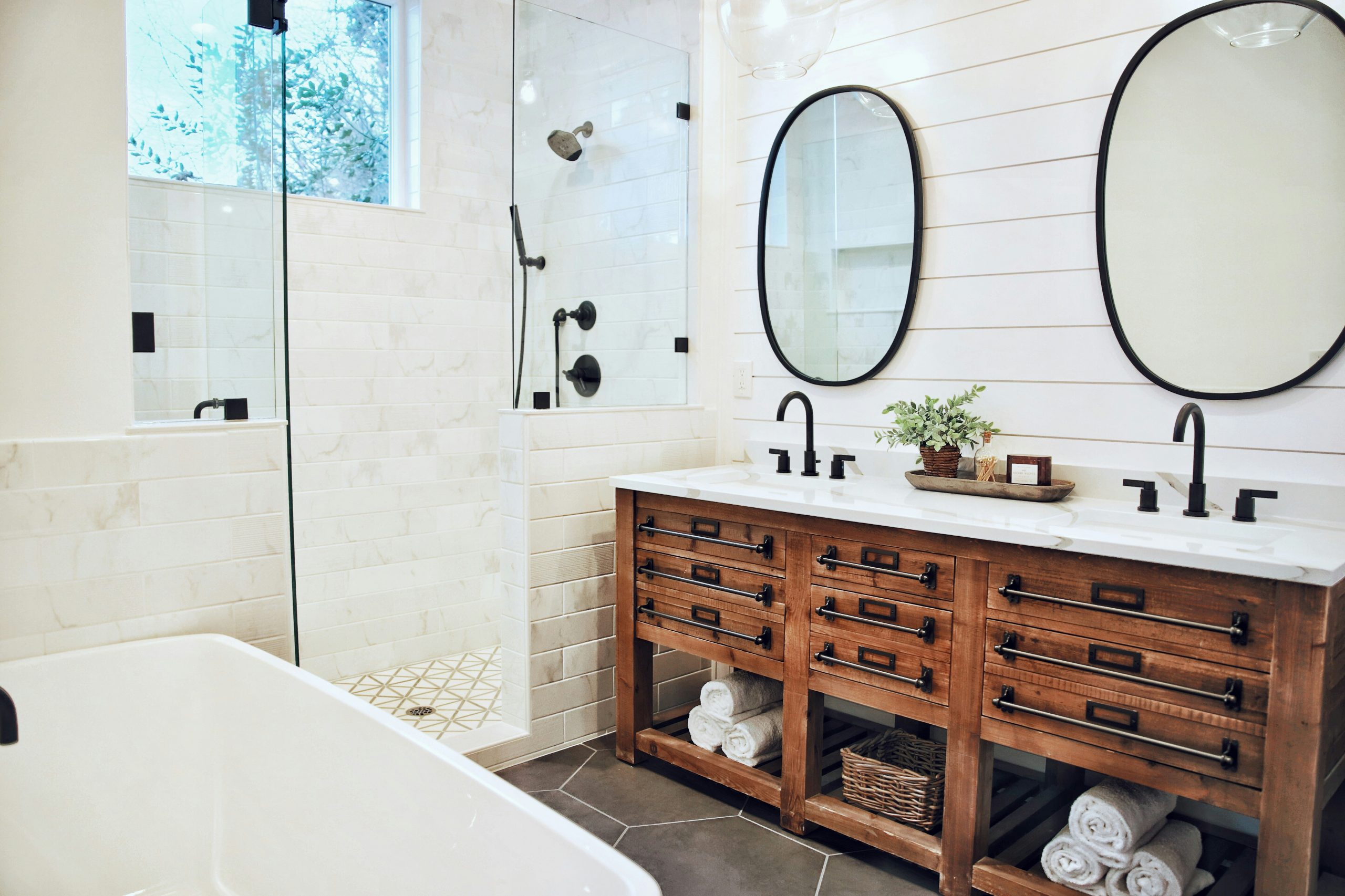
Trends move fast in home design, and bathrooms are not immune to that. A vanity that feels fresh today can start to look dated within a few years if the finish or color is too trend-driven. That does not mean your bathroom has to be boring, it just means it helps to separate the parts of the room that are expensive to change from the parts that are cheap to update later.
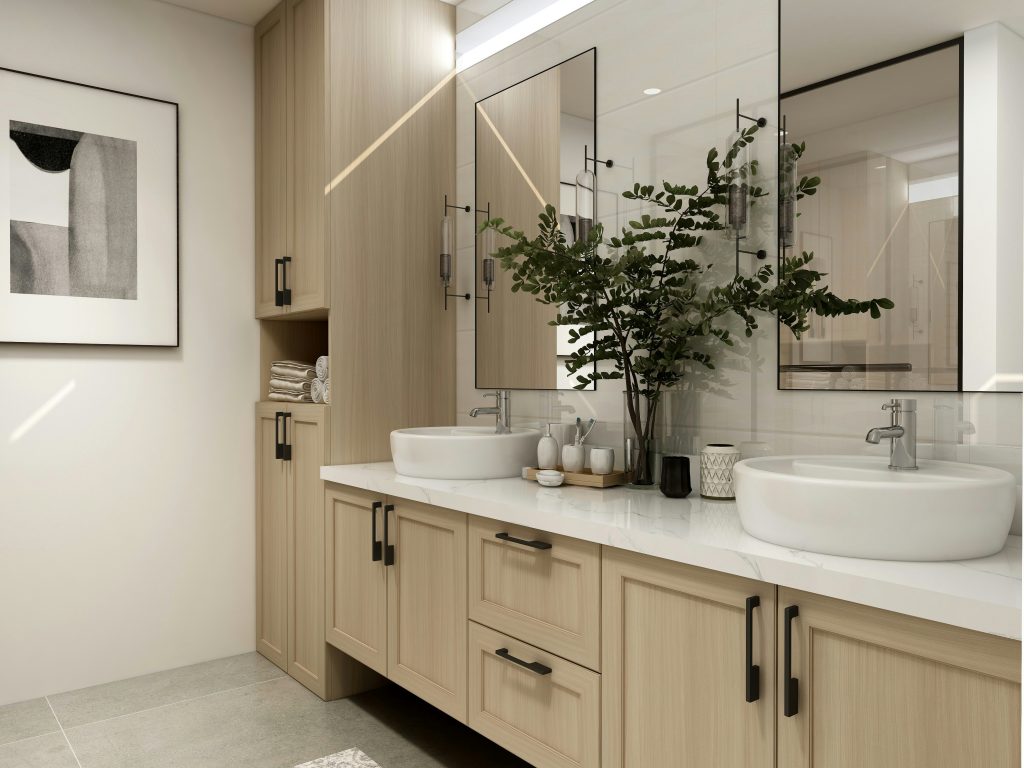
- Keep the vanity itself in a neutral tone, like white, warm wood, or soft gray, since these finishes tend to have the broadest appeal.
- Save bold colors and statement choices for things that are easy to swap, like towels, a shower curtain, or a rug.
- Choose hardware that is easy to update, so a full style refresh down the road does not require replacing the entire cabinet.
- Stick with classic countertop materials like quartz for the vanity itself, and save more dramatic materials for smaller accent areas if you want a bolder look.
This approach lets you enjoy a trendy detail here and there without gambling the resale value of the whole room on a choice that might feel dated in five years.
Common Mistakes to Avoid
A few missteps tend to show up again and again in bathroom vanity projects, and most of them are easy to sidestep once you know to look out for them.
- Buying the wrong size. Measuring wrong, or forgetting to account for the door swing and any adjacent fixtures, is one of the most common and most avoidable mistakes.
- Ignoring ventilation. A beautiful new vanity does not solve a moisture problem, and poor ventilation can damage cabinetry over time regardless of how nice it looks on day one.
- Skipping the level check. Older homes settle, and floors are not always as even as they look, so it is worth double-checking that the vanity sits level before locking it in.
- Rushing the plumbing connections. A quick, sloppy reconnection is one of the most common causes of slow leaks that go unnoticed until there is water damage underneath the cabinet.
- Choosing style over function. A gorgeous vanity with almost no storage can look great in photos and then quickly become frustrating to actually live with.
Taking a little extra time at the planning stage almost always saves time, money, and frustration once the project is underway.
Final Thoughts
A bathroom vanity might seem like a small piece of the renovation puzzle, but the numbers back up what a lot of homeowners already sense instinctively: it is one of the highest-impact, most cost-effective changes you can make in the entire house. Between the strong returns on mid-range bathroom work and the growing amount homeowners are willing to spend on this specific room, a vanity update is a project that pays off both in daily enjoyment and in long-term value. Measure carefully, budget for a few surprises, keep your bones neutral and your accents fun, and you will end up with a bathroom that feels new without needing to gut the entire room to get there.